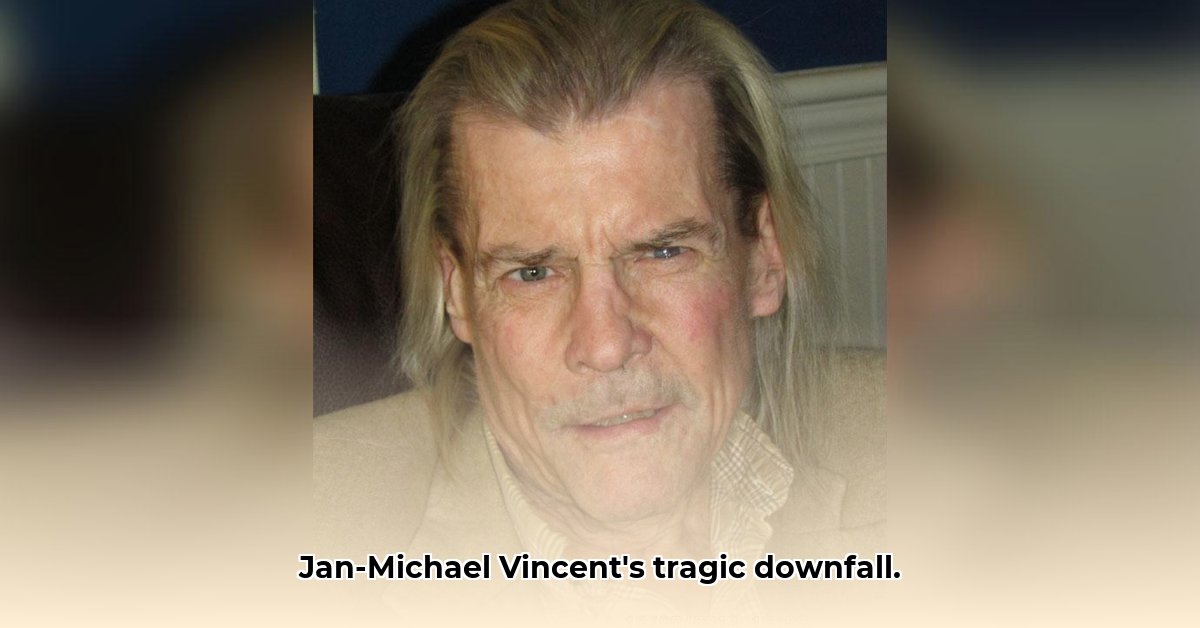
A Star's Ascent and Tragic Fall
Jan-Michael Vincent: the name evokes images of daring helicopter stunts and rugged charm. His rise to fame in the 1970s and 80s was meteoric. Roles in films like The Mechanic and the iconic surf movie Big Wednesday established him as a leading man. But his most enduring legacy remains his portrayal of Stringfellow Hawke in the hit television series Airwolf. This charismatic, death-defying pilot cemented Vincent’s status as a household name, synonymous with action and adventure. Yet, this seemingly charmed existence masked a complex and ultimately tragic story, one marked by a mysterious eye injury, a perplexing absence of concrete financial information, and a decline that continues to fascinate and sadden. For comparison of celebrity net worths, see Bret Michaels' net worth. How did this star, seemingly destined for continued success, fall so precipitously? The answer, as we will see, is far more nuanced than a simple narrative of fame and fortune.
How did his eye injury affect his career trajectory? Did financial struggles contribute significantly to his downfall? These are questions that linger and color the understanding of a life marked by significant highs and devastating lows.
The Mysterious Eye Injury and Hollywood's Unforgiving Gaze
A pivotal turning point in Vincent's life, and arguably the crux of his downward spiral, was a severe eye injury. The precise details surrounding this injury, however, remain frustratingly elusive. Speculation abounds: some suggest a car accident, others point to a surgical complication. Regardless of the cause, the resultant damage significantly altered his appearance, a factor that proved devastating in an industry deeply concerned with physical perfection.
Hollywood, famously image-obsessed, places a premium on youthful good looks. Any noticeable scar or impairment, particularly one affecting the face, can severely hinder an actor's career prospects. To what extent did this altered appearance impact Vincent's ability to secure roles? While impossible to quantify precisely, it's highly plausible that casting directors, prioritizing audience appeal, became increasingly hesitant to offer him roles after his injury. This cascading effect—fewer roles leading to reduced income and diminished industry standing—likely played a significant part in his subsequent struggles.
Did the industry offer sufficient support for actors facing such challenges? What resources were available to help him navigate this difficult period? The lack of available information highlights a systemic issue often overlooked: Hollywood's relentless pressure on maintaining a perfect image, often at the expense of the actor's well-being.
The Elusive Net Worth: A Puzzle Piece in the Tragedy
Determining Jan-Michael Vincent's net worth presents another formidable challenge. Concrete financial information remains scarce, hindering any definitive analysis of his financial trajectory. While the exact figures are unknown, it's reasonable to assume that his financial situation mirrored the decline of his career. The decrease in acting roles inevitably led to diminished income, potentially creating financial strain that further compounded his personal struggles. Could these financial difficulties have exacerbated existing problems or contributed to his later challenges? It's a question that, sadly, we cannot definitively answer due to the paucity of reliable data.
What lessons can we learn from the lack of transparency regarding his finances? The case underscores the vulnerability of actors who find themselves without a robust financial safety net after the seemingly inevitable peaks and valleys of a Hollywood career.
Beyond the Headlines: A Human Story of Struggles and Resilience
Jan-Michael Vincent's life was far more complex than simply a tale of Hollywood stardom and subsequent decline. It's a profoundly human story of ambition, success, and heartbreaking setbacks, a narrative woven with struggles with substance abuse and legal battles that further complicated an already difficult situation. While these well-documented challenges undoubtedly contributed to his downward spiral, they were likely intertwined with the impacts of his eye injury and potential financial uncertainty. His story raises unsettling questions about the support structures (or lack thereof) available to actors facing such immense personal challenges. Hollywood’s often-glossed-over reality includes many individuals struggling in isolation, often lacking adequate resources or support networks to navigate crises.
What can we learn from this story about the support systems (or lack thereof) for actors grappling with personal challenges within the demanding environment of the entertainment industry? It’s a critical area in need of attention, offering a sobering insight into the human cost of fame and fortune.
An Ongoing Investigation: Unraveling the Enigma
The story of Jan-Michael Vincent remains a work in progress, a narrative still unfolding through research and speculation. While the major events of his life—the initial success, the subsequent decline, and the tragic conclusion—are established, the finer points remain elusive. The lack of definitive information allows for differing interpretations and conflicting narratives. The precise details on his injury, his financial status, and the interplay of these factors continue to fuel ongoing research and discussion, ensuring his story remains a compelling and poignant study in the complexities of human experience.
Although some aspects of his life will likely remain shrouded in mystery, Vincent's legacy, through his iconic portrayal of Stringfellow Hawke, continues to resonate with audiences. While his iconic role in Airwolf secures his place in television history, the broader story serves as a sobering reminder of the fragility of fame, the challenges of navigating personal struggles, and the need for a more supportive system within the often-ruthless world of Hollywood.